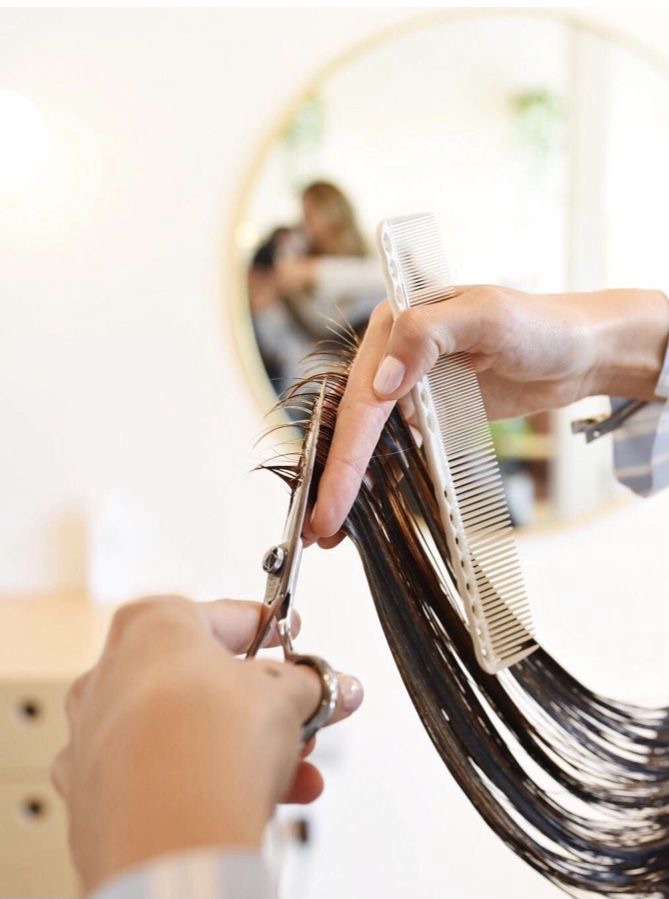
Ülök a tükör előtt. Szárítja Attila, a kedvenc fodrászom a hajam miután a szokásos vágást és hajápolást elvégezte. Ilyenkor nézem ahogy jár az olló a kezében, vizslatom magam a tükörben, mennyit öregedtem, most milyen az, aki vissza néz rám. Van változás, nem is kevés, de mégis elégedett vagyok. Nem az arcom milyensége, alakja tetszik, inkább az amit sugároz. Kissé megtört de reményteljes és főleg az látszik, hogy a helyzet ellenére egyenesben van magával a nő a tükörben. Tudja az irányt.
Megérkezik a szomszéd fodrászlány, Boróka vendége. Fiatal barna, műszempillás csaj, Andi. Régi kuncsaft. Menyasszonyi frizura készül. Akaratlanul is elkapom a beszélgetés foszlányait. Szórakozok néha azzal ilyenkor, hogy elképzelem az illető személy életét, kiváncsi vagyok, milyennek láthatja a világot, milyen élethelyzete lehet…
– Nagyon tetszett, legyen olyan mint előtte. mondja.
– A ruhád Gyergyóból lesz? Milyen szabású?- kérdezi tőle Boróka.
– A sellős, azt ajánlotta a fotós.. Ohh, tudod, úgy elegem van. – mondja a csaj – Elegem van az egész esküvősdiből!
És igen, elhiszem, hogy elege van. Mennyi macera és utánajárás ez a nagy ceremónia, hogy mindenkinek megfeleljen, de te is, mint főszereplő elégedett legyél, jól érezd magad majd a bőrödben a Nagy napodon. Óriási esemény egy ember életében ez. Még úgyis ha sokszor válás a vége manapság.
Aztán eszembe jut, hogy nekem is elegem van abból ami rám vár. De lehet elegem? Szabad? És ha az van, akkor mi van?
Ez nem esküvő vagy életesemény, ami lemondható, átszervezhető, variálható. Ha elege is lesz az embernek, folytatni kell. Az optimizmus és jókedv elengedhetetlen itt is!
~•~•~•~•~•~•~•~•~•~•~•~•~•~•~•~•~•~•~•~•~•~
We’re Allowed to Have Enough
I sit in front of the mirror.
Attila, my favourite hairdresser, blows my hair dry after the usual cut and care.
I watch the scissors move in his hand,
and in the mirror I study myself—
how much I’ve aged,
who this person is now
looking back at me.
There is change, plenty of it,
yet I feel content.
It isn’t the shape or features of my face that please me,
but what it radiates.
Slightly worn, yet hopeful.
And above all, I see a woman
who, despite everything,
stands straight with herself in the mirror.
She knows her direction.
The neighbour hairdresser’s client arrives—
Boróka’s guest.
A young brunette with eyelash extensions, Andi.
An old regular.
She’s getting her bridal hairstyle.
Unintentionally, I catch bits of their conversation.
I often entertain myself with this—
trying to imagine the person’s life,
wondering what kind of world they live in,
what circumstances shape them.
“It was so pretty, I want it just like before,”
she says.
“Is your dress from Gyergyó? What cut is it?”
Boróka asks.
“The mermaid one—the photographer recommended it… Ohh, you know what? I’m so fed up.
I’m done.
I’ve had enough of this whole wedding!”
And yes, I believe her.
I see how exhausting a ceremony like this is—
all the fuss, all the running around,
the pressure to satisfy everyone,
while you, the main character,
still have to feel good in your skin
on The Big Day.
A huge milestone in anyone’s life.
And yet so many of these milestones end in divorce nowadays.
Then it hits me:
I’m fed up too.
Fed up with what awaits me.
But am I even allowed to be?
Allowed to have enough?
And if I am—
what then?
This isn’t a wedding or a life event you can cancel,
postpone, reorganize, or adjust.
Even if you’re exhausted,
you must continue.
Optimism and good humour
aren’t optional tools here—
they’re essential ones.

Hozzászólás