Most úgy készülök, mint egy sportoló élete legfontosabb versenyére. Nem a nagy edzések, nem a hajszolt teljesítmény ideje ez, hanem inkább a figyelemé. Annak a csendes munkának, amikor az ember pontosan tudja, hol a határ, és megtanul együtt élni vele. A fizikai aktivitásom most jóval kevesebb, mint régen.
Mindig minden változik nap mint nap.
Most a tér beszűkült, a téli szezon is bezár, és ott van a félelem: minden mozdulat mögött a kérdés, mennyit bír még a test, vele együtt a szív. Az állandó önfigyelés, a fáradás könnyen elveszi a kedvet a mozgástól.
Van, hogy minden fáj, mire végre eljutok odáig, hogy felálljak és elkezdjem a gyakorlatokat, nyújtást, mozgást.
És akkor mégis… történik valami. A test megmozdul, a vér felpezsdül, az adrenalin feldob egy kicsit és a boldogsághormonok is felszabadulnak, jól esik megtenni azt, amire eddig nem volt erőm. De van, hogy nehéz éjszakák után a mozgás kényszer és szól a szív, hogy ma inkább ne feszegessük a határait.
Mindig emlékeztet rá: nem ellene dolgozom, hanem vele.
Elméletben tudom, mit kellene tennem napi szinten magamért, de a hétköznapok monotonitása mégis gyakran lehúz, melankóliába taszít. Ilyenkor a mozgás nem öröm, hanem kötelesség. De ez most egy olyan felkészülés, ahol a kötelesség is az élet része.
A transzplantációt megelőző kórházi csapat profi, pontos, felkészült.
Gyógytornász, dietetikus van segítségemre, hogy a lehetőségeimhez mérten a legjobb állapotban érkezzek meg a műtétre és az azt követő felépüléshez. Ez óriási előny más betegekhez képest, akiknek erre nincs lehetőségük, annyira leépült a szervezetük, az EF ( EF -ejekciós frakció- érték azt méri, hogy a szív mennyire képes oxigénben gazdag vért pumpálni a szervezetbe) közel 9%-os. Ágyban várják az életmentő hívást.
Nekem még “csak” 57%-os. Ez azt jelenti, hogy a várakozás lehet hosszabb, de jobb feltételekkel nézek a nagy műtét elé, mint fekvő sorstársaim.
Ezért mérhetetlenül hálás vagyok, hogy lehetőségem van nyugalomban, saját tempómban, panaszok nélkül, türelemmel várni. Ez egy áldás!
A szerveim a gyenge szív következtében keringési zavarok miatt már elindultak a romlás útján, de még nem visszafordíthatatlanok, vagy legalábbis megállíthatók. Ez a határmezsgye az, ahol most egyensúlyozok.
A vízháztartás állandó figyelmet igényel.
Van, hogy stressz vagy egy-egy nehezebb nap miatt több folyadék marad bennem, ilyenkor éjjel légszomj ébreszt. Igyekszem légzéssel, több vízhajtóval visszabillenteni a rendszert. Ezek a kis korrekciók is részei a felkészülésnek – mint amikor egy sportoló finoman állít a tempón, hogy bírja a versenytávot.
Mérlegre pedig azért állok reggelente, hogy diagramon kövessem a vízhajtó gyógyszerek hatását, hogy tudjam, kell-e duplázni a napi adagot. Ha igen, figyelek, hogy a megfelelő kálium- és magnéziumpótlás meglegyen. Fontos a versenyben maradásomhoz! 🙂
A dietetikus tanácsa rendhagyó.
Most nem az „egészséges táplálkozás” a fő cél, hanem az erő megtartása. Bőséges fehérje, több kisebb étkezés, napi négy-öt alkalom a megfelelő izomzat megtartásához. Egy ideje nem tudok egyszerre nagyobb adagot enni, így ez a ritmus lett az új rend. Nem mindig sikerül több kalóriát bevinni, de most kevésbé kontrollálom, mit eszem. Kedvenc a joghurt, halak, tészták olasz módra, de van, hogy megengedem magamnak azt, amit előtte alig: csipsz, üdítő, édességek és a savanyú cukor.
Tudom, hogy ez úgyis változni fog az új szívvel. Lesznek majd tiltólisták, ezért most többet fogyasztok a gyömbérből, citrusfélékből, érettebb sajtokból, nyers ételekből.
A gyömbérshot a nagy kedvencem. Óvatosan csak, mert olyan, mintha egy korty székely szilvapálinka futna végig az emberben. Megborzongat, de kell egy ilyen kis “extrémítás” időnként, hogy érezzem, élek.
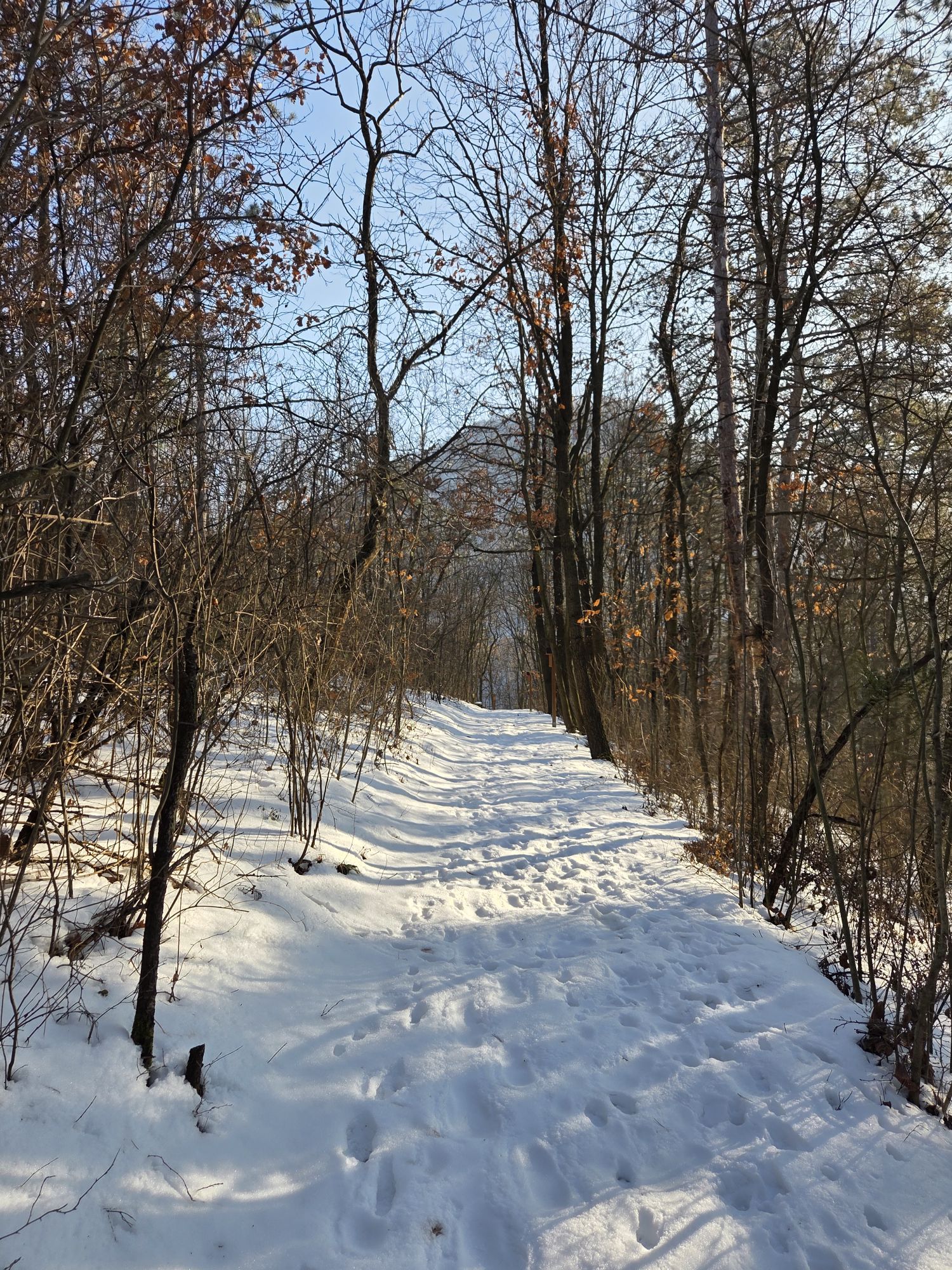
A gyógytornász mutatott néhány egyszerű gyakorlatot.. Naponta elvégzem őket, de van, hogy néha kimarad. Napi húsz–harminc perc séta, levegőzés. Akkor is, amikor nincs kedvem. Ezek most kötelező elemek, de sosem bánom meg őket.
Ez a felkészülés nem látványos.
Nincs taps, nincs célfotó, kupák, edzői értékelés.
Csak egy test, ami tanul együttműködni önmagával, és egy ember, aki tudja: a verseny nem a rajtnál kezdődik.
Hanem itt. A mindennapokban..
~•~•~•~•~•~•~•~•~•~•~
Preparation – In the Body
Right now, I am preparing as an athlete would for the most important competition of their life.
This is not the time of intense training or forced performance, but rather of attention.
Of quiet, conscious work—when a person knows exactly where the limit is, and learns how to live together with it.
My physical activity is now much less than it used to be.
Everything changes from day to day.
The space has narrowed, the winter season has closed in, and fear is present: behind every movement there is the question of how much the body—and with it, the heart—can still endure.
Constant self-monitoring and fatigue easily take away the joy of movement.
Sometimes everything hurts by the time I finally manage to stand up and begin.
I pay close attention to proper potassium and magnesium supplementation.
It is essential for staying in the race.
The dietitian’s advice is unconventional.
Right now, the main goal is not “healthy eating,” but preserving strength.
Plenty of protein, several smaller meals—four to five times a day—to maintain muscle mass.
For some time now I haven’t been able to eat larger portions at once, so this rhythm has become the new order.
I don’t always manage to take in more calories, but now I control less strictly what I eat.
I love yogurt, fish, pasta prepared the Italian way—but sometimes I allow myself things I barely touched before: chips, soft drinks, sweets, and refined sugar.
I know this will change anyway with the new heart.
There will be restriction lists later, so for now I consume more ginger, citrus fruits, more mature cheeses, and raw foods.
Ginger shots are my big favorite.
Carefully, though—because they feel like a sip of strong Transylvanian plum brandy running through the body.
They give me goosebumps—but I need this kind of little “extremeness” from time to time to feel alive.
The physiotherapist showed me a few simple exercises.
I do them daily, though sometimes one day is skipped.
Twenty to thirty minutes of walking and fresh air every day—even when I don’t feel like it.
These are now mandatory elements, yet I never regret them.
This kind of preparation is not spectacular.
There is no applause, no finish line, no trophies, no coach’s evaluation.
Just a body learning to cooperate with itself, and a person who knows: the race does not start at the starting line.
It starts here. In everyday life.
When I finally begin the exercises, stretching, movement—something still happens.
The body awakens, the blood starts to flow, adrenaline rises a little, and the happiness hormones are released.
It feels good to do what I previously had no strength for.
But after difficult nights, movement can feel forced, and the heart itself signals that today maybe we shouldn’t push the boundaries.
I constantly remind myself: I’m not working against my body, but with it.
In theory, I know what I should do daily for myself—but the monotony of everyday life often drags me down, pulls me into melancholy.
At such times, movement is not joy, but obligation.
Yet this is a kind of preparation where even obligation is part of life.
Waiting with patience is a blessing.
Because of the weak heart, my organs have already started down the path of deterioration due to circulatory issues—but they are not yet irreversible, or at least they can be stabilized.
This is the borderland where I am now balancing.
Fluid balance requires constant attention.
Sometimes stress or a particularly difficult day causes more fluid to remain in my body; at night, shortness of breath wakes me.
I try to restore balance with breathing and increased diuretics.
These small corrections are also part of the preparation—like when an athlete finely adjusts their pace to endure the distance.
I step on the scale every morning to track the effect of diuretic medications in a diagram, so I know whether the daily dose needs to be doubled.
If so, the team is professional, precise, prepared.
A physiotherapist and a dietitian support me so that I can arrive at surgery—and the recovery that follows—in the best possible condition given my circumstances.
This is a huge advantage compared to other patients who don’t have this opportunity, whose bodies have deteriorated so much that their EF (ejection fraction—the value that measures how effectively the heart pumps oxygen-rich blood through the body) is close to 9%.
They wait for the life-saving call confined to a bed.
Mine is still “only” 57%.
This means the waiting period may be longer, but I face the major surgery under much better conditions than my bedridden counterparts.
That is why I am immeasurably grateful—to have the chance to wait calmly, at my own pace, without complaints.

Hozzászólás