Elsőre úgy hangzik, mint egy svájci üdülőhely. Lehetne akár egy síparadicsom, vagy egy elegáns parfüm neve. A szavak hattyút és egészet jelentenek.
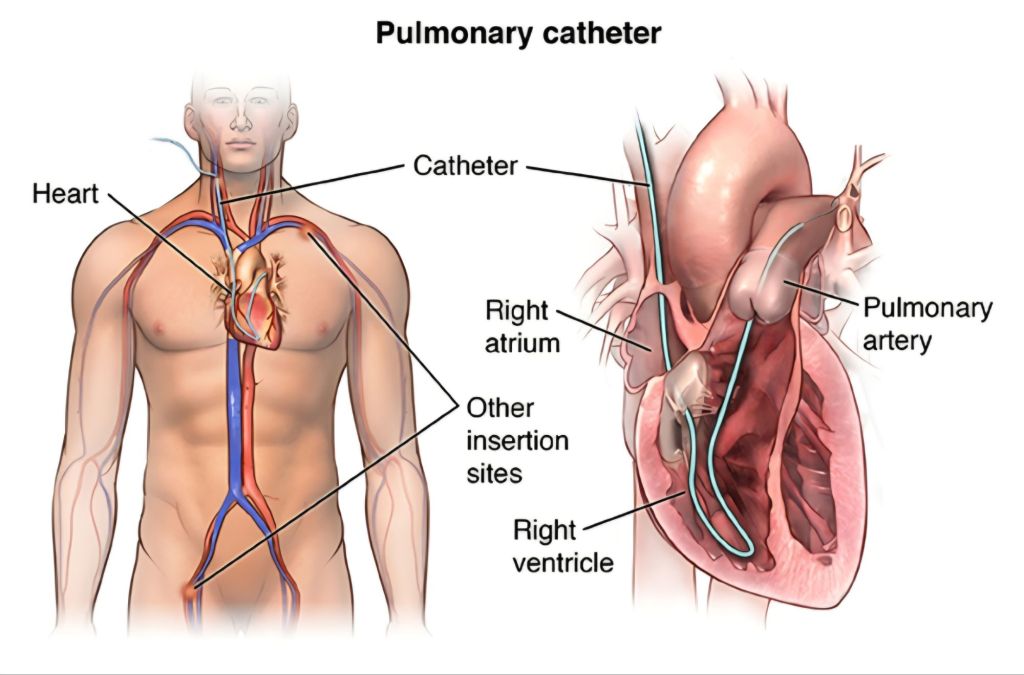
Valójában két, a hetvenes években kutató kardiológus, Jeremy Swan és William Ganz nevéhez fűződik, akik évtizedekkel ezelőtt kidolgozták azt a katéteres hemodinamikai eljárást, amellyel pár napon belül újra végigjárják a szívem jobb felét. (hemondinamika=a vér áramlásának és a benne lévő nyomásviszonyoknak a vizsgálata)
Elvonatkoztatva akár egy szép Valentin-napi gondolat is lehetne a szív metaforájával ez a belső utazás, de ez most nem egy romantikus történet.
A doktornőm és a műtős csapat egy vékony, ballonvégű katétert juttat el vénákon a szívemig. Azt mérik, mennyire terhelt a tüdőkeringésem, elbírja-e majd a testem az új szívet. Amikor a napokban kimondták, hogy ismételni kell, nem a technikai részletek jutottak eszembe, hanem az, hogy megint számokká válik a jövőm.
Ez egy kötelező vizsgálat a transzplantáció előtt, és évente ismétlik, hogy lássák, történt-e változás az értékekben.
A vizsgálat lényege, hogy megmérik a szív és a tüdőkeringés nyomását. Azt nézik, mennyire terhelt a keringésem, rugalmasak-e még a tüdőereim, és hogy az esetleges új szív elbírná-e azt a közeget, amibe érkezne.
A vizsgálat inkább kellemetlen, mint fájdalmas. Számomra mégis egy újabb kórházi tortúra. Egy újabb, sokadik vizsgálat az ereken keresztül. Egy újabb műtős jelenet, újabb szúrás az ágyéknál vagy a nyaki vénán egészen a szívig. Mindez helyi érzéstelenítésben. Nem igaz, hogy borzasztóan fáj. Inkább nagyon furcsa érzés. Apró, nehezen megfogható érzések öntenek el belülről. Mintha tudnád, hogy valami idegen halad benned, mégis csendben tűröd, mozdulatlanul. És várod, hogy teljenek a percek, miközben az orvos számokat diktál egy óriási képernyőről.
Nagyjából negyven perc. Ez idő alatt összeszorított fogakkal imádkozom, hogy semmilyen komplikáció ne történjen közben, és a fájdalom is elviselhető legyen. Akik körülvesznek, mind nagyon figyelmesek, empatikusak. Nem csak kiváló szakemberek, de emberségből is kiválóak.
A mütő után jön a mozdulatlan fekvés. Négy–hat óra nyomókötés a szúrás helyén, hogy elálljon a vérzés.
Talán ez rosszabb, mint maga a beavatkozás. Várakozás. Mozdulatlanság. Fájdalom. Szomjúság és éhség érzet. És az idő, ami nem akar telni.
De ami most jobban zavar, az a lehetséges eredmény. Hogy folytatódhat-e a tervezett transzplantáció. Hogy számomra kedvező értékek születnek-e.
És közben azon gondolkodom, hogy miközben ők a nyomást mérik bennem, én a saját türelmemet teszem újabb próbára. A hitemet, hogy minden rendben lesz.
Folytathatom az utam.
~•~•~•~•~•~•~•~•~•~•~•~
Swan–Ganz
At first it sounds like a Swiss holiday resort.
It could even be a ski paradise, or the name of an elegant perfume.
In reality, it is named after two cardiologists from the 1970s, Jeremy Swan and William Ganz, who decades ago developed the catheter-based hemodynamic procedure that, within a few days, will once again travel through the right side of my heart.
(Hemodynamics = the study of blood flow and the pressure conditions within it.)
Abstractly, this inner journey through the metaphor of the heart could even be a beautiful Valentine’s thought — but this is not a romantic story.
This is a mandatory test before transplantation, and it is repeated every year to see whether there have been changes in the values.
The essence of the examination is to measure the pressure in the heart and the pulmonary circulation. They look at how burdened my circulation is, whether my pulmonary vessels are still flexible, and whether a potential new heart would be able to tolerate the environment it would arrive into.
When they said in recent days that it had to be repeated, it wasn’t the technical details that came to mind, but the thought that once again my future would turn into numbers.
The procedure is more uncomfortable than painful. For me, though, it is still another hospital ordeal. Another one of many examinations through the veins. Another surgical scene, another puncture in the groin or in the neck vein, all the way to the heart.
All of this under local anesthesia. It’s not true that it hurts terribly. It is rather a very strange sensation. Small, hard-to-grasp feelings flood me from within. As if you knew something foreign is moving inside you, yet you endure it silently, motionless. And you wait for the minutes to pass while the doctor dictates numbers from a huge screen.
About forty minutes. During that time, with clenched teeth, I pray that no complications occur and that the pain remains bearable. Those around me are all very attentive and empathetic. Not only excellent professionals, but excellent in humanity as well.
After the procedure comes the motionless lying. Four to six hours of compression at the puncture site to stop the bleeding. Perhaps this is worse than the procedure itself. Waiting. Immobility. Pain. Thirst and hunger. And time that refuses to pass.
But what troubles me more right now is the possible outcome. Whether the planned transplantation can continue. Whether favorable values will be born for me.
And meanwhile I think that while they are measuring the pressure inside me, I am putting my own patience to the test once again. My faith that everything will be all right.
That I can continue my path.

Hozzászólás