Nekem van egy őrangyalom. Bár én nem úgy gondolok rá, mint aki gyöngéd, kedves, megértő és óvatos. Biztosan van valahol egy olyanom is. De én most inkább a bodyguardomra gondolok, a testőrre, akit az orvosok őrangyalnak neveznek, mert megmenti az életet.
A húszas éveim elején egyik napról a másikra furcsa dolgot vettem észre: nagyon gyorsan kezdett dobogni a szívem. Nem akart elállni. Először csak rövidebb ideig tartott, később már órákon keresztül is. Olyan erősen vert, mintha ki akarna törni a mellkasomból.
Elmondtam az orvosoknak, de sosem sikerült „elkapniuk”, hogy megfigyeljék. Engem pedig a legváratlanabb pillanatokban ért utol. Aggódást és félelmet váltott ki belőlem, de szerencsére más tünetet nem váltott ki. Csak az a vad, megállíthatatlan dobogás, amely néha két-három órán át sem csillapodott.
Egy kontrollvizsgálaton aztán behívott egy fiatal orvos. Mint később kiderült, elektrofiziológus volt. Ő követte egy darabig az utam. Azt mondta:
– Tünde, önnek egy őrangyalra lesz szüksége. Egy beültetett defibrillátorra. Ezek a ritmuszavarok életveszélyesek is lehetnek. Így megelőzhetjük, hogy egy ilyen epizód közben megálljon a szíve.
Nagyon hosszú, egyenes út vezetett akkor a kórháztól a megállóig. Én pedig azt végigzokogtam. Amit akkor éreztem, az egyszerű volt: én ezt nem akarom. Ez valami szörnyűség. Nagyon féltem.
Egy telefonfülkéből hívtam fel édesanyámat, mert senki más nem volt akkor velem, akivel megoszthattam volna a kétségbeesésemet.
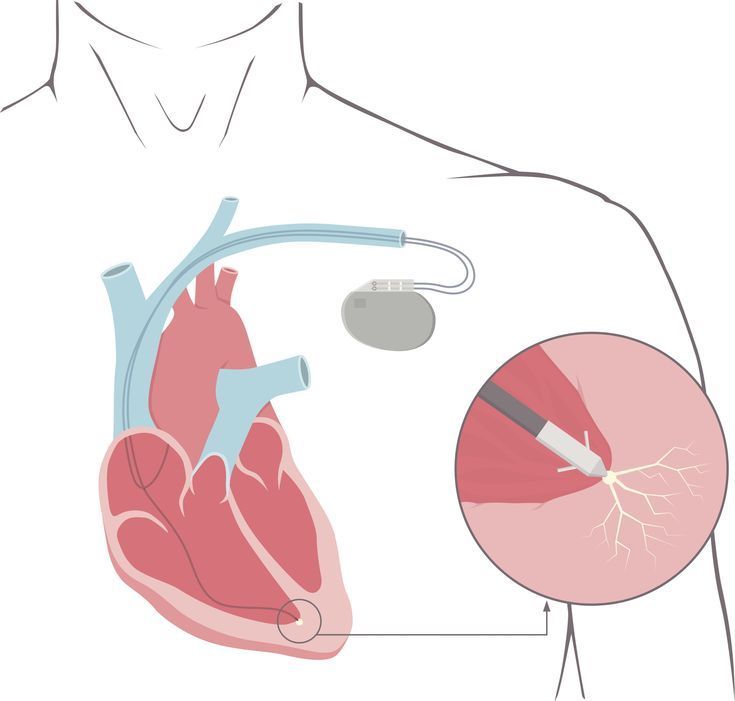
Ő jött ki a műtétre is, amikor az ICD-t – az implantálható kardioverter defibrillátort – beültették a bal mellem fölé.
Esztétikailag nem okozott nagy traumát. Inkább elfogadni volt nehéz a tényt, hogy a szívem bármikor leállhat, és egy kis fém doboz – nagyjából egy gyufásdoboz méretű – ott lesz bennem. Hidegen és ridegen. Mindig emlékeztetve arra, hogy valami nincs rendben, és bármikor történhet velem valami nagyon komoly.
Most már több mint húsz éve viselem. Kétszer cserélték, mert az akkumulátora – ha nincs sok esemény – körülbelül 8–10 évente merül le.
Így van már kettő a fiókomban.
Egy pedig a szívem fölött.
És igen, már többször megmentette az életemet.
Mi okozza ezeket az életveszélyes zavarokat?
Éppen az, ami egykor megmentette az életemet: a szívműtétek.
A nyolcvanas években kezdődött a szívsebészetben egy komoly fejlődés, amely azóta is tart. Akkoriban azonban, ahogyan hozzáfértek a szívhez és a problémához, a műtétek után keletkező hegek megváltoztatták a szív működését.
A szív elektromos ingerülete már nem egy sima felületen haladt végig fentről lefelé, összehúzva a szívet, hogy tovább pumpálja a vért, hanem hegeket kerülgetve tette ezt meg. Így különálló kis ingerületek keletkezhettek kamrákban, pitvarokban, amelyek – mint a tenger hullámai – egymást gerjesztve félrevitték a szívdobbanás ritmusát azzal, hogy ők is adtak egy-egy impulzust.
Volt, hogy „csak” kisebb pitvari ritmuszavar alakult ki. De volt olyan is, hogy a kamrában indult el egy ilyen folyamat, és a kamrai tachycardiából kamrai fibrilláció lett. Ilyenkor a kamra már nem pumpálja tovább a vért, csak remeg. Ez vezet szívmegálláshoz.
Nem szívesen írom le, hogy hála Istennek egy ideje nincs ilyen, mert rettegek, hogy pont ma jön újra, és működnie kell az őrnek a testemben.
Rettegés fog el, ha arra gondolok, hogy megérzem: már nem úgy dobog a szívem. Mintha egy hegedű egyik húrja pattanna meg. Abban a pillanatban tudom, hogy valami történik.
A készülék először próbálkozik, több megoldással is, mint egy rendőr, aki próbálja csillapítani a rendetlenkedőket. Kétszer-háromszor is próbál rendet tenni, de ha nincs változás, akkor odacsap. Olyan erővel vág tarkón, mintha egy ló rúgna meg. Majd elveszítem az eszméletem néhány másodpercre. Aztán szép lassan minden indul tovább. Érzem, hogy magamhoz térek, néhány pillanat, amíg felismerem, hogy hol vagyok, mi is történt, és érzem, hogy visszaállt a szívritmusom. Megnyugszom, de annyira kimerülök, hogy napokig pihennem kell. Vegyes érzések kavarognak bennem: félelem és öröm, hogy megúsztam, hogy élek.
Ezért is várom az új szívet.
Neki már nem kell majd őrangyal.
Ha minden a tervek szerint halad, ez a fajta félelem és stressz kimarad az életemből.
~•~•~•~•~•~•~•~•~•~•~
Guardian Angel
I have a guardian angel.
Although I don’t think of it as someone gentle, kind, understanding, and careful. I’m sure I have one like that somewhere too.
But the one I’m thinking about now is more like my bodyguard — the one doctors call a guardian angel because it saves lives.
In my early twenties, I suddenly noticed something strange: my heart started beating very fast. It wouldn’t stop.
At first it only lasted for short periods, but later it sometimes went on for hours. It beat so hard it felt as if it wanted to break out of my chest.
I told the doctors about it, but they were never able to “catch” it in time to observe it. It would reach me at the most unexpected moments. It caused worry and fear, but fortunately it didn’t come with other symptoms.
Just that wild, unstoppable pounding that sometimes wouldn’t calm down for two or three hours.
During one of my check-ups, a young doctor called me in. As I later found out, he was an electrophysiologist. For a while, he followed my case. He said:
“Tünde, you will need a guardian angel. An implanted defibrillator. These rhythm disturbances can be life-threatening. This way we can prevent your heart from stopping during one of these episodes.”
The road from the hospital to the bus stop felt very long and very straight that day.
And I cried the whole way.
What I felt then was simple: I don’t want this. This is something terrible. I was very afraid.
I called my mother from a phone booth, because there was no one else with me at the time to share my despair with.
She came for the surgery as well, when the ICD — the implantable cardioverter defibrillator — was implanted above my left breast.
Aesthetically it didn’t cause much trauma. What was harder to accept was the fact that my heart could stop at any time, and that a small metal box — roughly the size of a matchbox — would be inside me. Cold and rigid. Always reminding me that something wasn’t right, and that something very serious could happen to me at any moment.
I have been carrying it for more than twenty years now. It has been replaced twice, because the battery — if there are not many events — usually lasts about eight to ten years.
So now there are two of them in my drawer.
And one above my heart.
And yes, it has saved my life several times.
What causes these life-threatening disturbances?
Ironically, the same thing that once saved my life: heart surgeries.
In the 1980s, a major development in cardiac surgery began — one that continues to this day. But back then, the way surgeons accessed the heart and the problem meant that the scars left after surgery often altered the heart’s normal functioning.
The heart’s electrical impulse no longer traveled smoothly across a uniform surface from top to bottom, contracting the heart and pumping the blood forward. Instead, it had to move around scars.
Because of this, separate small electrical impulses could form in the atria or the ventricles, and like waves in the ocean, they could stimulate each other and disrupt the rhythm of the heartbeat by adding their own impulses.
Sometimes it was “only” a smaller atrial arrhythmia.
But there were times when the process started in the ventricles, and ventricular tachycardia turned into ventricular fibrillation. At that point the ventricle no longer pumps blood forward — it only quivers.
This is what leads to cardiac arrest.
I don’t like to write that, thank God, it hasn’t happened for a while — because I’m afraid that if I say it, it will come again today, and the guardian inside me will have to do its job.
A deep fear grips me whenever I feel that my heart is no longer beating the way it should. As if one string of a violin suddenly snapped. In that moment I know that something is happening.
The device tries first. It has several methods. Like a police officer trying to calm down troublemakers. It tries two or three times to restore order.
But if nothing changes, then it strikes.
With such force it feels as if a horse has kicked me in the back of the head.
I lose consciousness for a few seconds.
Then slowly everything starts again.
I feel myself coming back. A few moments pass before I recognize where I am, what has happened, and I realize that my heart rhythm has returned.
I calm down. But I become so exhausted that I need to rest for days.
Mixed feelings swirl inside me: fear — and joy that I made it through. That I am alive.
That is also why I am waiting for the new heart.
It will no longer need a guardian angel.
If everything goes according to plan, this kind of fear and stress will disappear from my life.

Hozzászólás